
Embrace the timeless allure of OUD and experience the opulence it brings to your life. Choose ONEWORLD for an unparalleled journey into the realm of pure OUD.
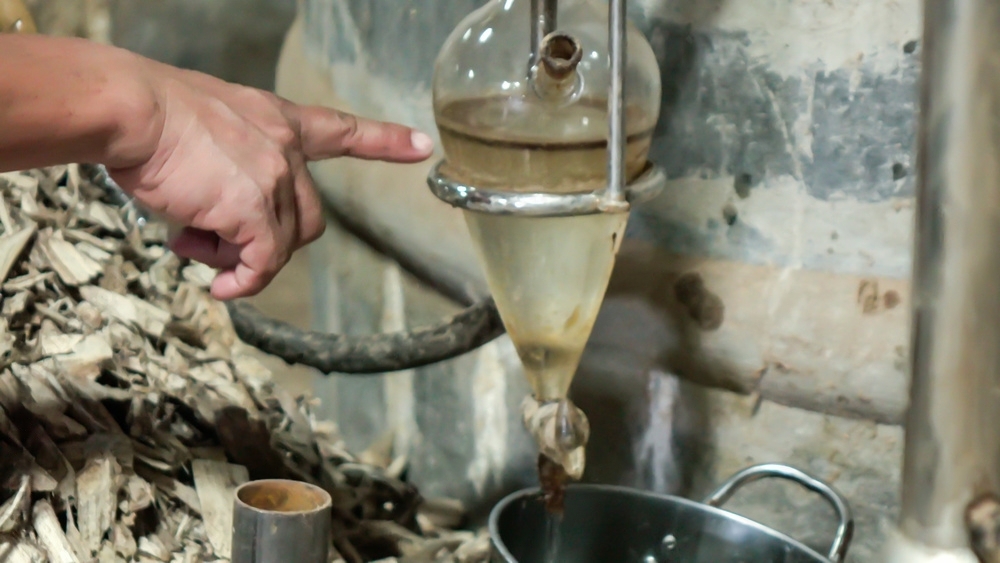
OUD, also known as Agarwood Oil, is a fragrant resinous wood that is highly valued for its unique and captivating aroma. It is derived from the heartwood of Aquilaria and Gyrinops trees, which are mainly found in certain regions of Southeast Asia, including India, Bangladesh, Vietnam, Indonesia, and Malaysia.
The formation of OUD is a natural process that occurs when these trees become infected with a particular type of fungus (phialophora parasitica). In response to the infection, the trees produce a dark, aromatic resin within their core as a defense mechanism. Over time, this resinous heartwood becomes saturated with fragrant compounds, giving it the distinct and alluring scent that OUD is famous for.
OUD has been used for centuries in various cultures for perfumery, incense, and traditional medicine.
It is one of the most expensive and sought-after natural fragrance ingredients in the world, often referred to as "liquid gold" due to its rarity and high value.
The fragrance of OUD is rich, complex, and has a woody, balsamic, and slightly sweet character. It is often described as deep, resinous, and captivating, making it a prized ingredient in luxury perfumes and colognes. OUD-based perfumes are widely popular in the Middle East, but their popularity has also spread globally, appealing to a diverse range of consumers who appreciate its distinctive and opulent aroma.
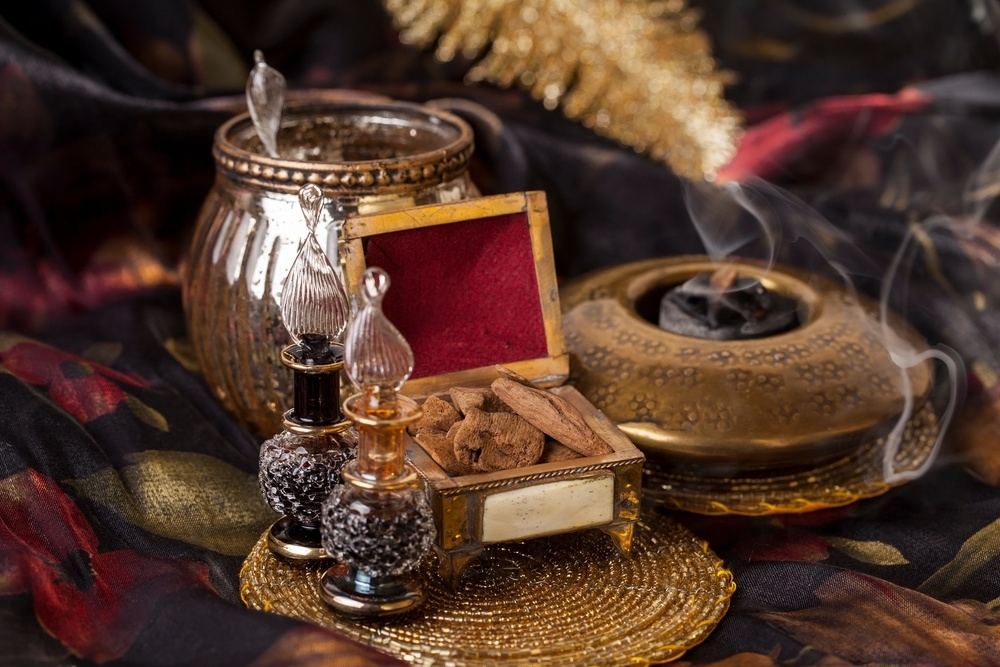
The history of OUD, also known as Agarwood Oil, is rich and fascinating, dating back thousands of years. Here are some key milestones in the history of OUD:
Ancient Use: The use of OUD can be traced back to ancient civilizations in the Middle East and Southeast Asia. The first references to agarwood can be found in ancient Sanskrit texts from India, where it was valued for its aromatic properties and used in religious ceremonies and traditional medicine..
Religious Significance: OUD holds significant religious importance in various cultures. It is mentioned in ancient religious texts, including the Vedas of Hinduism and the Buddhist Tripitaka, as a sacred and revered substance. OUD has been used in religious rituals, as incense, and as an offering to deities.
Traditional Medicine: OUD has a long history of use in traditional medicine, especially in Ayurveda and traditional Chinese medicine. It was believed to have various medicinal properties and was used to treat ailments like digestive issues, respiratory problems, and skin conditions.
Trade and Exploration: OUD's popularity grew, leading to the establishment of trade routes that connected Southeast Asia with the Middle East and beyond. OUD was highly sought after in ancient trade networks, and its value led to its nickname "Wood of the Gods."
Incense and Perfumery: OUD's enticing aroma led to its extensive use in perfumery and as an incense ingredient in various cultures. It was highly prized for its unique and captivating scent, and its popularity continued to spread across different regions.
Historical Royalty: OUD's rarity and exclusivity made it a favorite among royalty and aristocracy throughout history. Kings, emperors, and wealthy individuals sought oud-based perfumes and incense as symbols of luxury and prestige.
Modern Perfumery: OUD's popularity in perfumery has continued into modern times. It became a prominent ingredient in high-end fragrances and niche perfumery, gaining a dedicated following among perfume enthusiasts worldwide.
Sustainable Cultivation: To meet the demand for OUD and protect wild agarwood-producing trees, efforts have been made to cultivate agarwood sustainably. Techniques such as artificial inoculation have been developed to encourage the resin formation without relying solely on natural infections.
The history of OUD is a testament to its enduring allure and cultural significance. Its aromatic qualities and historical importance have cemented oud as one of the most treasured and sought-after fragrance ingredients in the world.
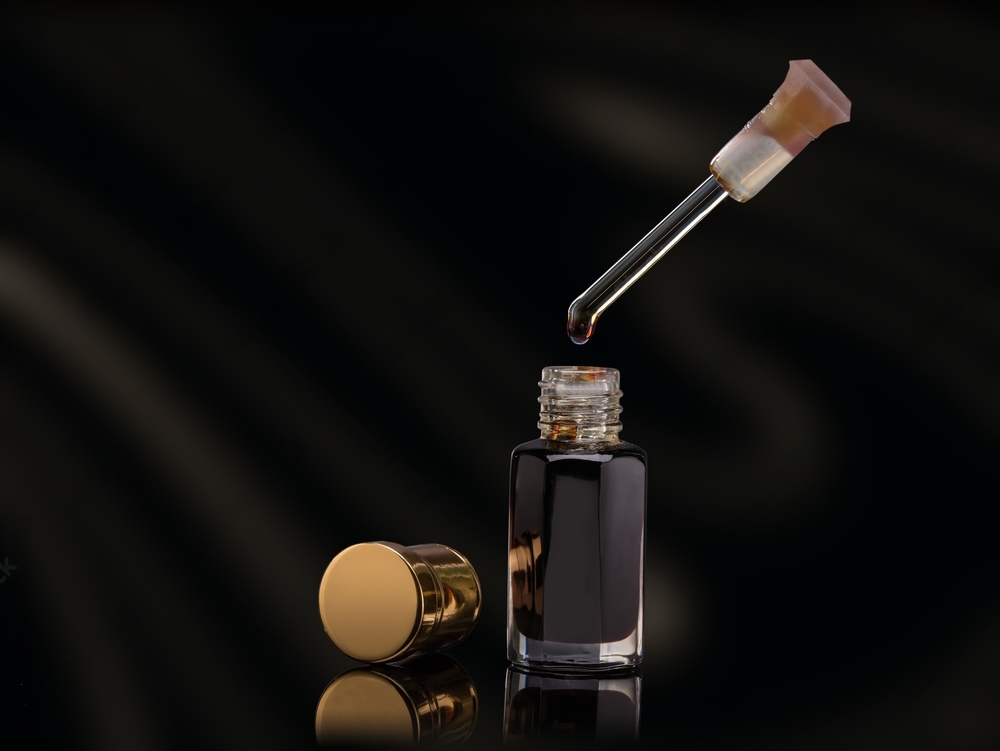
OUD, also known as Agarwood Oil, is not only valued for its captivating aroma but has also been associated with various potential benefits. However, it's important to note that many of these claims are based on traditional practices and anecdotal evidence rather than extensive scientific research. Here are some of the potential benefits of OUD:.
Aromatherapy: The rich and complex fragrance of oud is often used in aromatherapy to promote relaxation, reduce stress, and create a calming atmosphere. Inhaling the scent of OUD may help uplift mood and enhance overall well-being.
Traditional Medicine: In traditional Asian medicine, OUD has been used for various medicinal purposes, including the treatment of digestive issues, asthma, and rheumatism. It has been believed to possess anti-inflammatory and analgesic properties
Spiritual and Religious Use: OUD is commonly used in religious ceremonies, particularly in some cultures of the Middle East and South Asia. It is believed to have spiritual significance and is used to purify the atmosphere during rituals and prayers. Agarwood fragrance is said to be the favorite fragrance of Lord Krishna, God of Protection. The Buddha taught that the fragrance of burning Agarwood is the “scent of Nirvana” (the state of attaining Divinity).
Natural Perfume: OUD's alluring fragrance is widely used in luxury perfumery due to its unique and long-lasting scent. It adds depth and complexity to perfumes, making them highly desirable among fragrance enthusiasts.
Aphrodisiac Properties: In certain cultures, OUD is considered to have aphrodisiac qualities and is used to enhance intimacy and romantic experiences.
Meditation and Mindfulness: The calming and grounding properties of OUD's aroma make it a popular choice for meditation and mindfulness practices, as it can help create a serene and focused ambiance.
Anti-microbial Properties: Some studies have suggested that OUD essential oil may possess antimicrobial properties, which could potentially help in combating certain bacteria and fungi. However, more research is needed in this area.
NoteIt's essential to exercise caution and moderation when using OUD, especially in concentrated forms like essential oils. Some people may be sensitive or allergic to certain fragrance compounds, so it's advisable to perform a patch test before applying oud-based products to the skin.